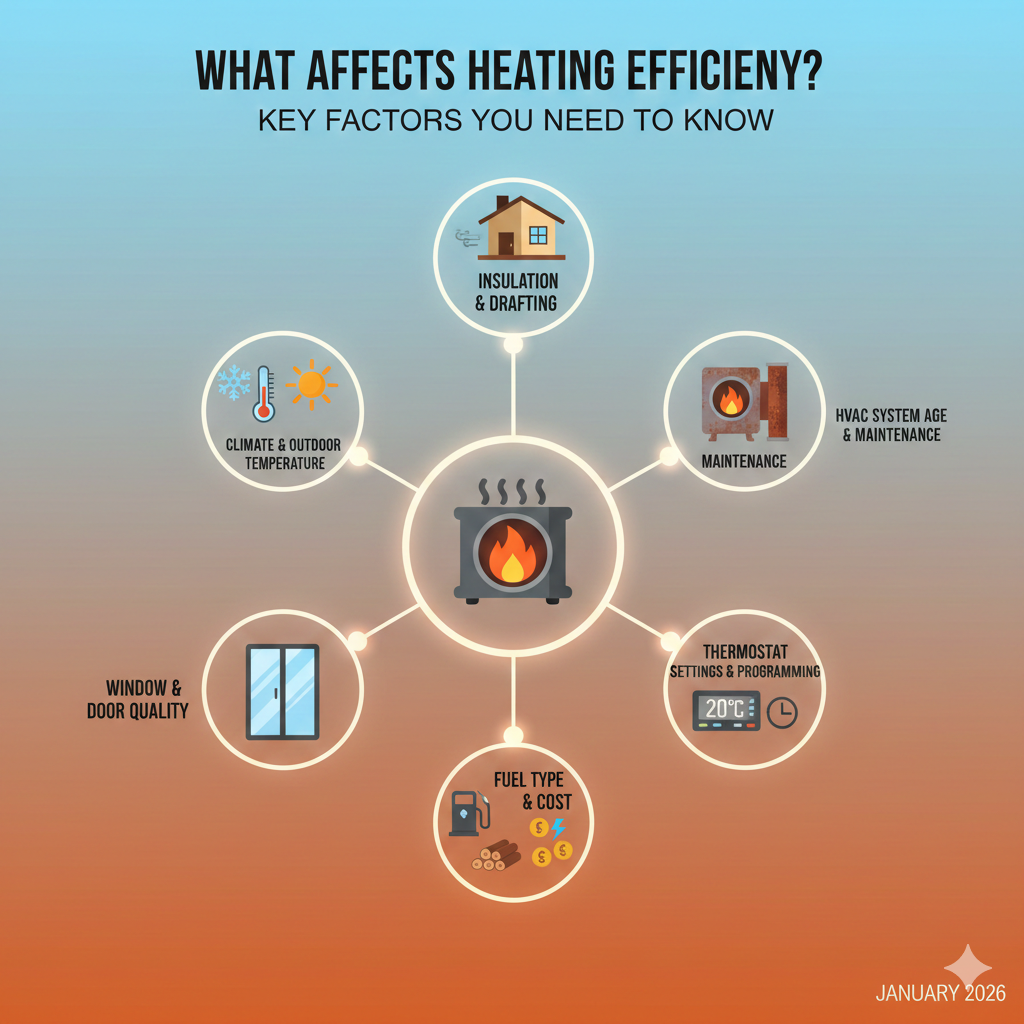
When it comes to keeping your home warm and comfortable during the cold months, heating efficiency plays a crucial role—not only for your comfort but also for your energy bills. At Cooling & Heating Repair, we understand how important it is to maximize the performance of your heating system. Below, we break down the most important factors that influence heating efficiency and how you can optimize your system for the best results.
1. Quality of Insulation
One of the biggest contributors to heating efficiency is home insulation. Proper insulation slows down heat loss through walls, ceilings, and floors, keeping warm air inside your home. Without adequate insulation, your heating system has to work harder to maintain the desired temperature, leading to increased energy consumption and higher bills.
- Types of Insulation: Fiberglass, spray foam, cellulose, and reflective barriers are popular options.
- Common Areas to Insulate: Attic, basement, walls, windows, and doors.
- Signs You Need More Insulation: Drafts, uneven heating, and high energy bills.
2. Air Balance and Ventilation
Efficient heating depends heavily on balanced airflow throughout your home. If your HVAC system isn’t properly balanced, some rooms may be too warm while others stay cold. This imbalance causes your system to run longer and less efficiently.
- Ductwork Issues: Leaky or poorly designed ducts reduce airflow and heating efficiency.
- Air Leakage: Gaps around windows, doors, and vents let cold air in and warm air out.
- Ventilation: Proper ventilation ensures good air quality without losing too much heat.
3. Heating System Maintenance
Regular maintenance is vital for keeping your heating system running efficiently. Dirty filters, worn-out parts, or malfunctioning thermostats can all reduce performance.
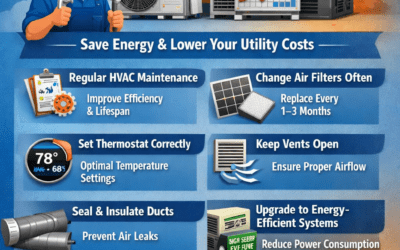
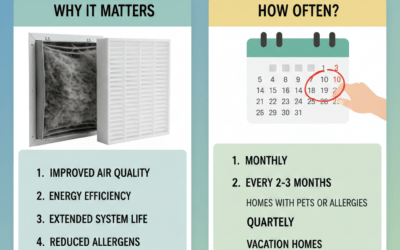
- Change Filters: Replace or clean filters every 1-3 months.
- Professional Tune-Ups: Annual inspections and servicing by HVAC professionals.
- Thermostat Settings: Use programmable thermostats to optimize heating schedules.
4. Heating Equipment Type and Age
The type of heating system and its age greatly affect efficiency. Older systems often lack modern energy-saving technologies.
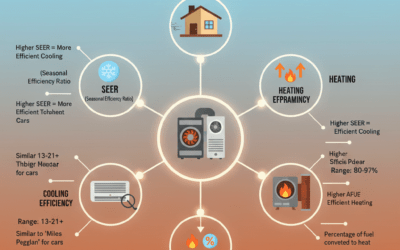
- Furnaces: Newer high-efficiency furnaces have an Annual Fuel Utilization Efficiency (AFUE) rating of 90% or more.
- Heat Pumps: Efficient for both heating and cooling but depend on outside temperature.
- Boilers: Effective for hydronic heating but should be regularly checked for leaks and sediment.
5. Home Layout and Size
The size and layout of your home also influence heating efficiency. Larger homes require more energy to heat, and homes with open floor plans may lose heat more quickly.
- Zoning Systems: Allow heating only in occupied areas.
- Smart Controls: Help manage heating based on room usage and preferences.
6. Weather and Climate
Your geographic location and the local climate impact heating needs and system efficiency. Homes in colder climates require more robust heating solutions.
- Wind Exposure: Homes exposed to strong winds lose heat faster.
- Sunlight: Natural sunlight can supplement heating during the day.
How Cooling & Heating Repair Can Help
At Cooling & Heating Repair, we specialize in optimizing your home’s heating system for maximum efficiency. From insulation assessment to duct sealing, system tune-ups, and new high-efficiency heating installations, our experts are here to help you save money and stay warm all winter long.
Contact us today to schedule a free consultation or maintenance service and ensure your heating system is running at peak performance!