Repair vs. Replace Your Air Conditioner: A Comprehensive Guide for Homeowners
When your air conditioner starts showing signs of wear and tear, you may find yourself at a crossroads: should you repair it or replace it? This decision can be especially challenging for homeowners in California, where the climate demands a reliable cooling system. In this article, we’ll explore the factors to consider, common AC issues, and how to make a decision that best suits your home and budget.
Understanding Your Air Conditioning System
Your air conditioning unit is an essential part of your home’s comfort system. It not only cools the air but also helps maintain indoor air quality. Knowing how your AC works will help you identify when problems arise and whether they can be fixed or if a replacement is required.
How Air Conditioners Function
Air conditioners work by circulating refrigerant through a closed system of coils. This process cools the air inside your home while expelling heat outside. Over time, components can wear out or fail, leading to the need for repairs or replacements.
Signs It Might Be Time for Repair
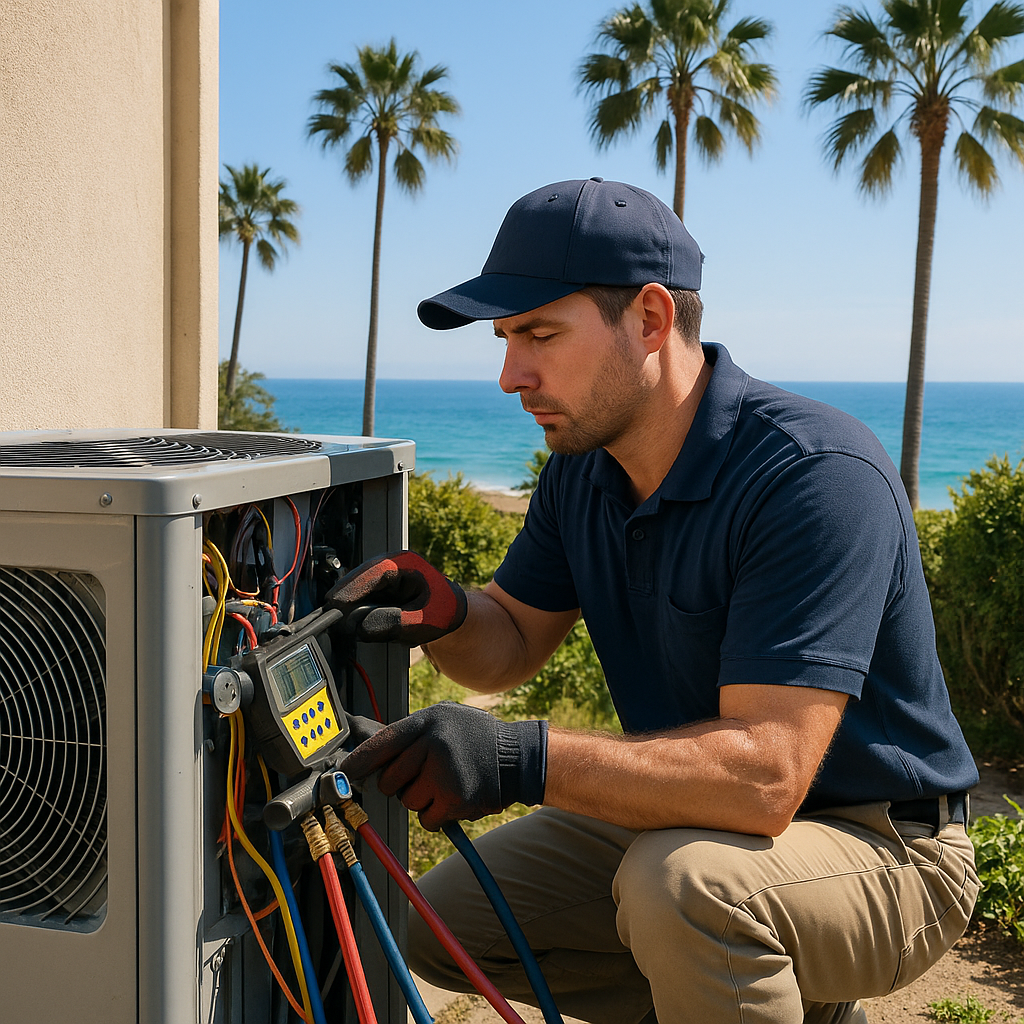
Before you decide to replace your unit, it’s essential to assess its current condition. Here are some signs that indicate your AC may need repair:
- Unusual Sounds: Banging, clicking, or hissing noises can indicate mechanical issues.
- Reduced Airflow: Weak airflow may signal problems with ducts, fans, or filters.
- Increased Humidity: A functioning AC unit should reduce humidity levels in your home. If it isn’t, there may be an issue.
- Leaking Refrigerant: Signs of fluid leaking from your unit could indicate a refrigerant leak, which requires professional attention.
- Frequent Cycling: If your AC frequently turns on and off, it may be struggling with efficiency.
Common Problems That Require AC Repair Services
Certain issues commonly necessitate repairs. Familiarizing yourself with them can help you act quickly when issues arise:
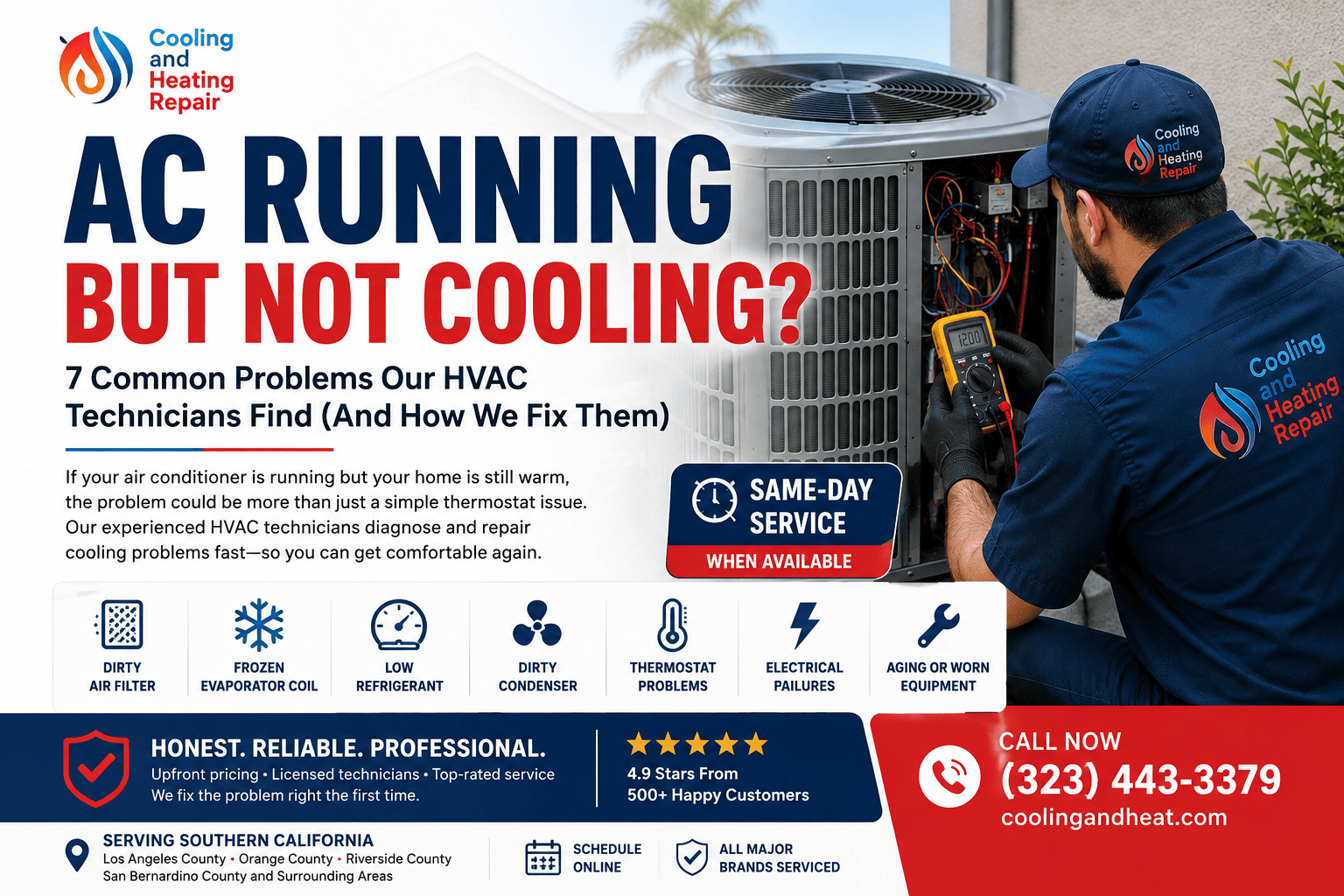
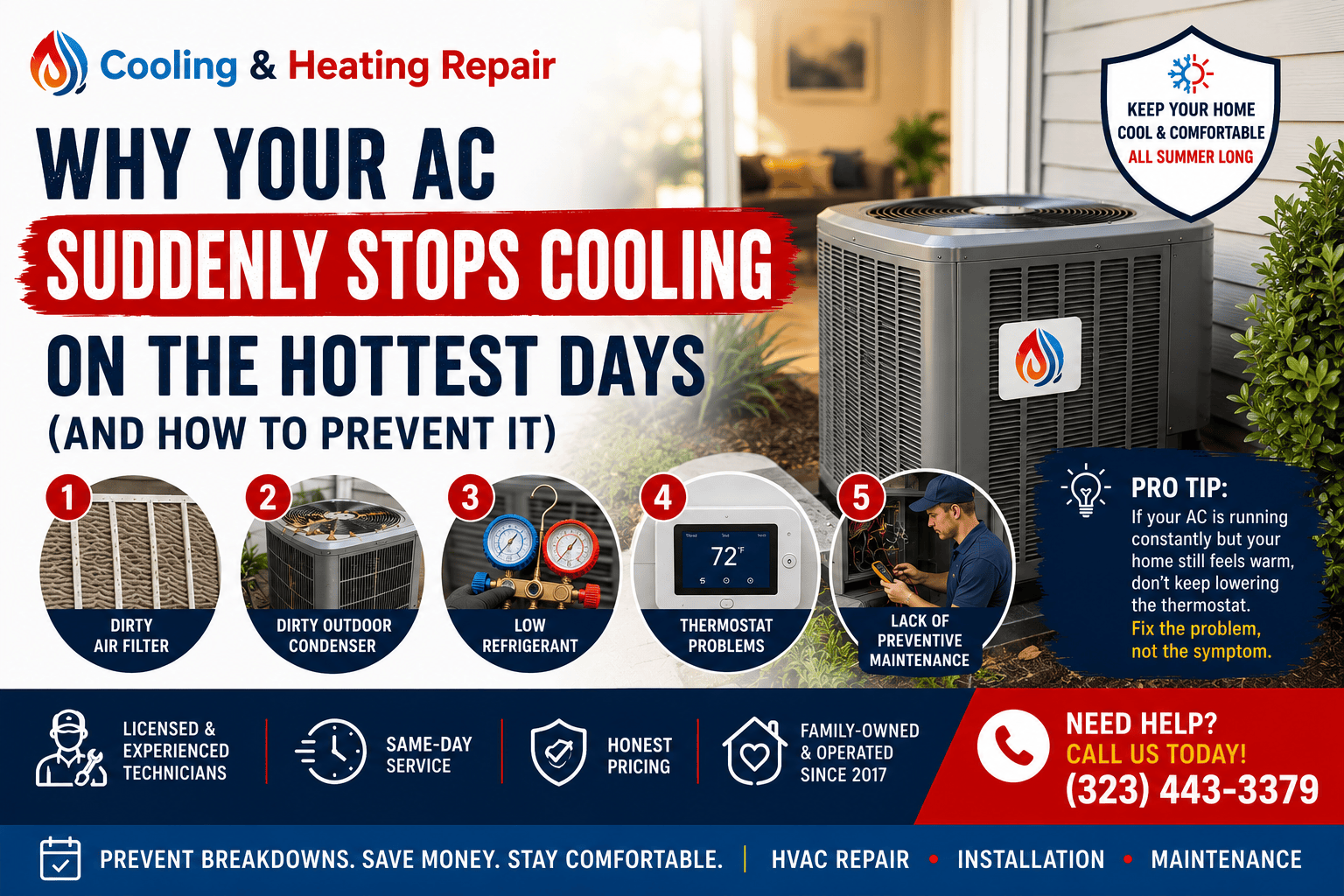
- Clogged Filters: A dirty filter can block airflow and reduce efficiency. Regularly changing your filters can prevent this.
- Failed Capacitor: The capacitor provides the necessary power for your AC to operate. If this component fails, the unit won’t run.
- Frozen Coils: Ice buildup on evaporator coils may indicate problems with airflow or low refrigerant levels.
- Thermostat Issues: A malfunctioning thermostat may cause your AC to run ineffectively or not at all.
- Electrical Failures: Faulty wiring can lead to more severe issues, including potential hazards.
When to Consider Replacement
While repairs can extend the life of your air conditioner, there are instances when replacement becomes the more feasible option:
- Age of the Unit: Most air conditioners have a lifespan of 10-15 years. If yours is approaching or surpassing this age, replacement may be wiser.
- Frequent Repairs: If you’re pouring money into repairs every season, it might be more cost-effective to invest in a new system.
- Rising Energy Bills: An inefficient unit can lead to higher energy bills. Upgrading to a more energy-efficient model can save you money long-term.
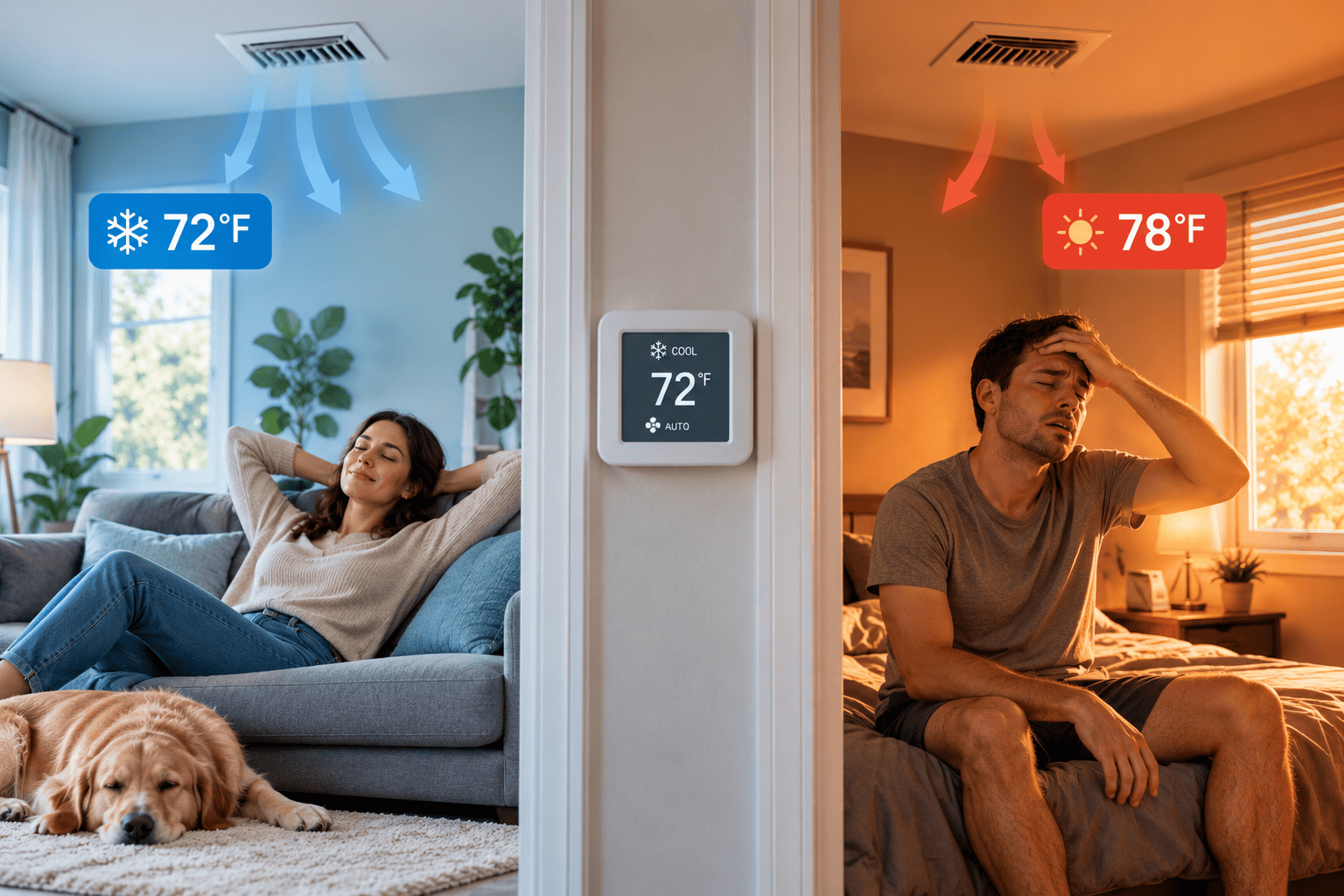
- Inconsistent Cooling: If some rooms in your home are significantly cooler than others, this may indicate systemic issues that repairs won’t resolve.
- Refrigerant Type: If your unit uses R-22 refrigerant, which is being phased out, consider replacement for compliance and efficiency.
Costs: Repair vs. Replacement
Understanding the financial implications is crucial when deciding between repair and replacement. Generally, repairs can range from $150 to $500, depending on the issue. On the other hand, the cost for a new unit can be significantly higher—typically between $3,000 and $7,500, depending on the model and installation complexity.
Keep in mind that while replacement is a more considerable upfront investment, it often results in lower energy bills and more reliable performance.
Evaluating Your Options
Before making a decision, consider the following factors:
- Last Repair Cost: If your last repair was significant, you should weigh its longevity against the cost of a new unit.
- Energy Efficiency Ratings: Newer models are often much more energy-efficient than older ones, potentially saving you on utility costs.
- Local Climate: In California’s hot climate, efficiency and reliability are critical for your comfort.
- Warranty Status: If your unit is still under warranty, repairs might be covered.
Maintenance Tips to Extend Your AC’s Life
Regardless of whether you choose to repair or replace, regular maintenance is essential for prolonging the life of your air conditioner:
- Change Filters Regularly: Replace filters every 1-3 months based on usage.
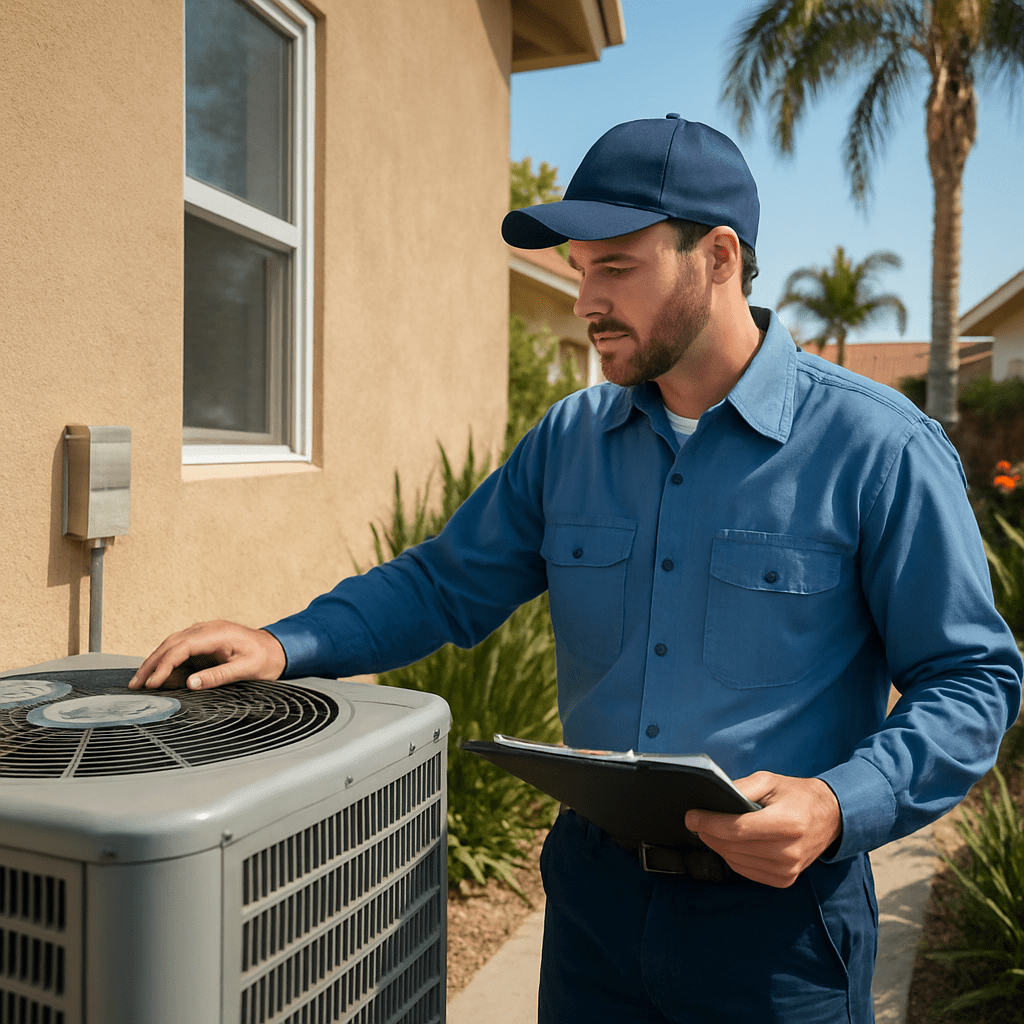
- Schedule Annual Maintenance: Annual professional tune-ups can catch issues before they become major problems.
- Keep Outdoor Units Clear: Ensure that bushes, shrubs, and debris are kept away from the outdoor unit to allow for proper airflow.
- Inspect and Clean Coils: Ensure coils are clean for optimal performance. Dirt can significantly affect efficiency.
- Check Ductwork for Leaks: Sealing leaks can improve airflow and system efficiency.
Conclusion
Deciding whether to repair or replace your air conditioner comes down to several factors, including the age of the unit, the extent of repairs needed, and your budget. Weighing these considerations will lead you to the best choice for your home’s comfort and financial well-being.
If you’re unsure, Cooling & Heating Repair is here to guide you through the decision-making process. Our trusted HVAC professionals can evaluate your current system and recommend the best course of action. Don’t hesitate—contact us today for a consultation!
Frequently Asked Questions (FAQ)
What are the signs that my AC needs to be replaced?
Common signs include frequent repairs, rising energy bills, and uneven cooling in your home.
How often should my air conditioner be serviced?
It’s ideal to have your AC serviced at least once a year, preferably before the summer months.
What are the typical costs of AC repair vs. replacement?
Repair costs can vary widely but are typically lower than replacement. Replacement costs can depend on the unit size and efficiency rating.
Need help with your AC? Contact Cooling & Heating Repair for professional air conditioning repair and maintenance.
Related Articles