Introduction
For homeowners in California, air conditioning isn’t just a luxury; it’s a necessity. As summer temperatures soar, a reliable AC system is crucial for ensuring comfort in your home. But what happens when your air conditioning system begins to show signs of wear? Deciding whether to repair or replace your air conditioner can feel overwhelming. In this comprehensive guide, we will explore the key factors to consider, troubleshooting steps, and expert advice from Cooling & Heating Repair, your trusted HVAC company.
Understanding the Decision: Repair vs. Replace
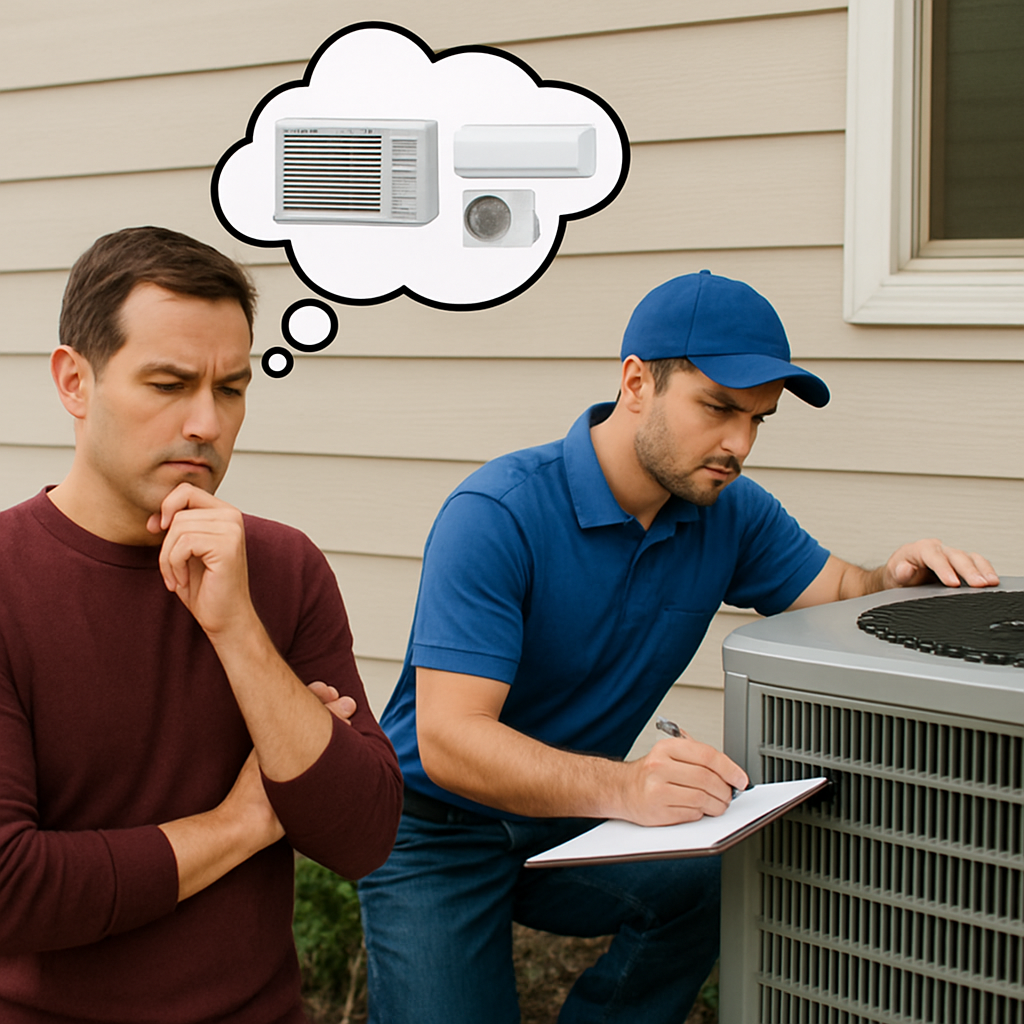
Before diving into specifics, it’s essential to understand the landscape of your decision. Both options have their pros and cons, and several factors can help guide you toward the right choice for your home.
Consider the Age of Your AC Unit
The average lifespan of an air conditioning unit is around 10 to 15 years, depending on the brand, usage, and maintenance practices. If your air conditioner is nearing or past this age, it may be more cost-effective to replace it rather than invest in repairs. A new system may offer greater efficiency and lower energy bills.
Evaluate Repair Costs
When deciding between repair and replacement, consider the cost of repairs. A good rule of thumb is if the estimated repair costs exceed 50% of the total cost of a new system, replacement could be the better option.
Energy Efficiency
Older models are typically less energy-efficient compared to modern systems. Newer air conditioning units are designed to operate more effectively and efficiently, often qualifying for energy-saving rebates or tax credits. If your unit is outdated, replacing it may save you money in the long run.
Performance Issues
If your air conditioner requires frequent repairs or struggles to maintain a comfortable temperature in your home, it may be time to consider replacement.
Practical Troubleshooting Tips
Before making a final decision, some troubleshooting steps can help you better understand the condition of your air conditioning system:
- Check the Thermostat: Ensure it’s appropriately set and functioning. An incorrect setting could lead to temperature inconsistencies.
- Inspect Filters: Dirty air filters can restrict airflow, making your system work harder. Change filters every 1–3 months to maintain efficiency.
- Examine Circuit Breakers: If the AC isn’t turning on, check the circuit breaker to ensure it hasn’t tripped.
- Listen for Strange Noises: If you hear rattling, buzzing, or grinding noises, these could indicate mechanical issues.
- Monitor for Leaks: Check for any refrigerant leaks or water pooling around your unit, as these could indicate serious issues.
Signs You Need a New AC System
Recognizing the red flags that indicate your air conditioning unit may need replacement can save you from ongoing frustration and high repair costs. Some common signs include:
- Increased Energy Bills: If you notice a sudden spike in energy costs, it may be due to an inefficient air conditioning unit.
- Frequent Repairs: If you’re calling for repairs multiple times each summer, consider that ongoing costs might surpass those of a new system.
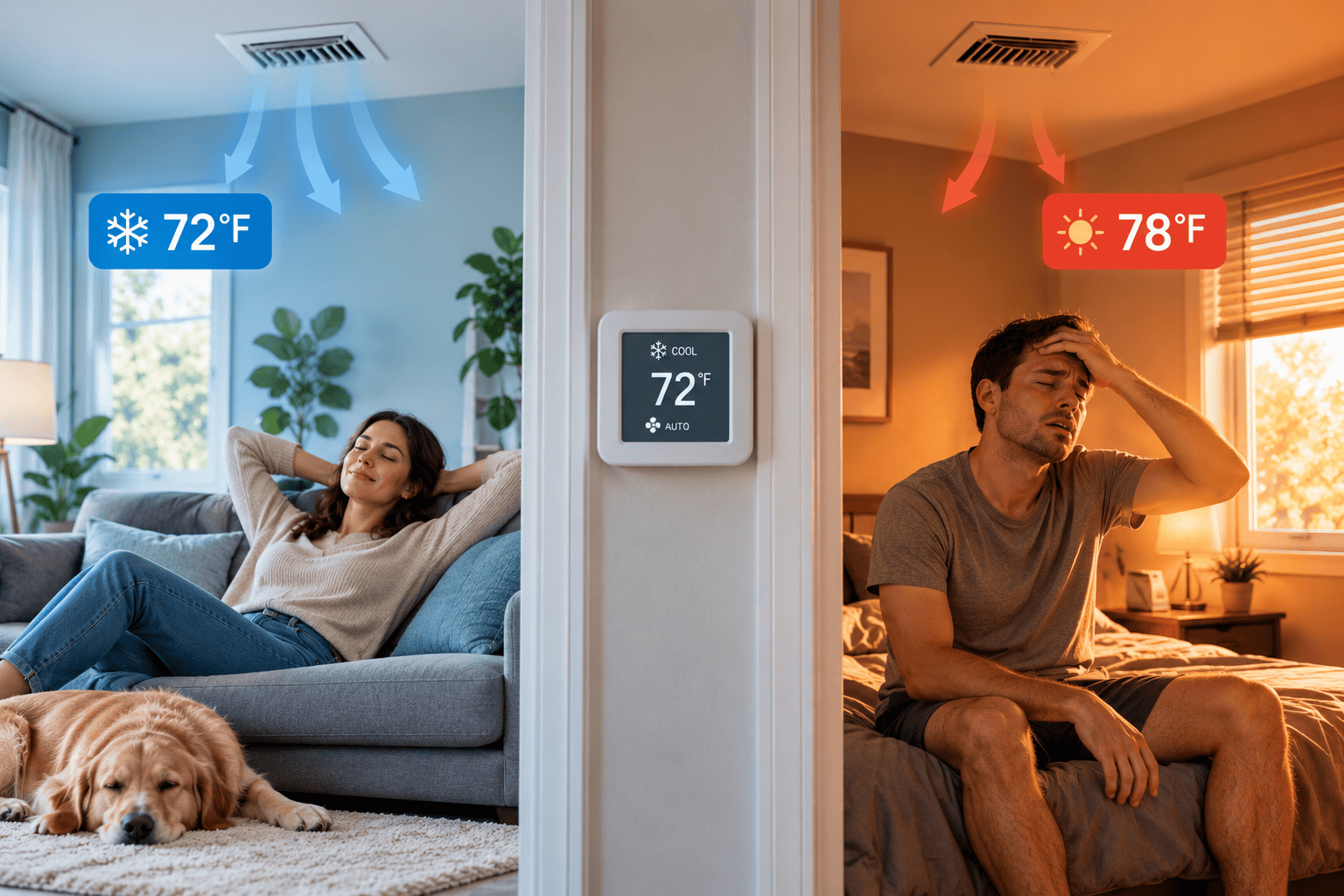
- Inconsistent Cooling: If certain rooms are warmer or colder than others, your AC may be struggling to distribute air evenly.
- Age of the Unit: If your unit is over 10 years old and requires substantial repairs, replacement is likely a better investment.
Maintaining Your Air Conditioner for Longevity
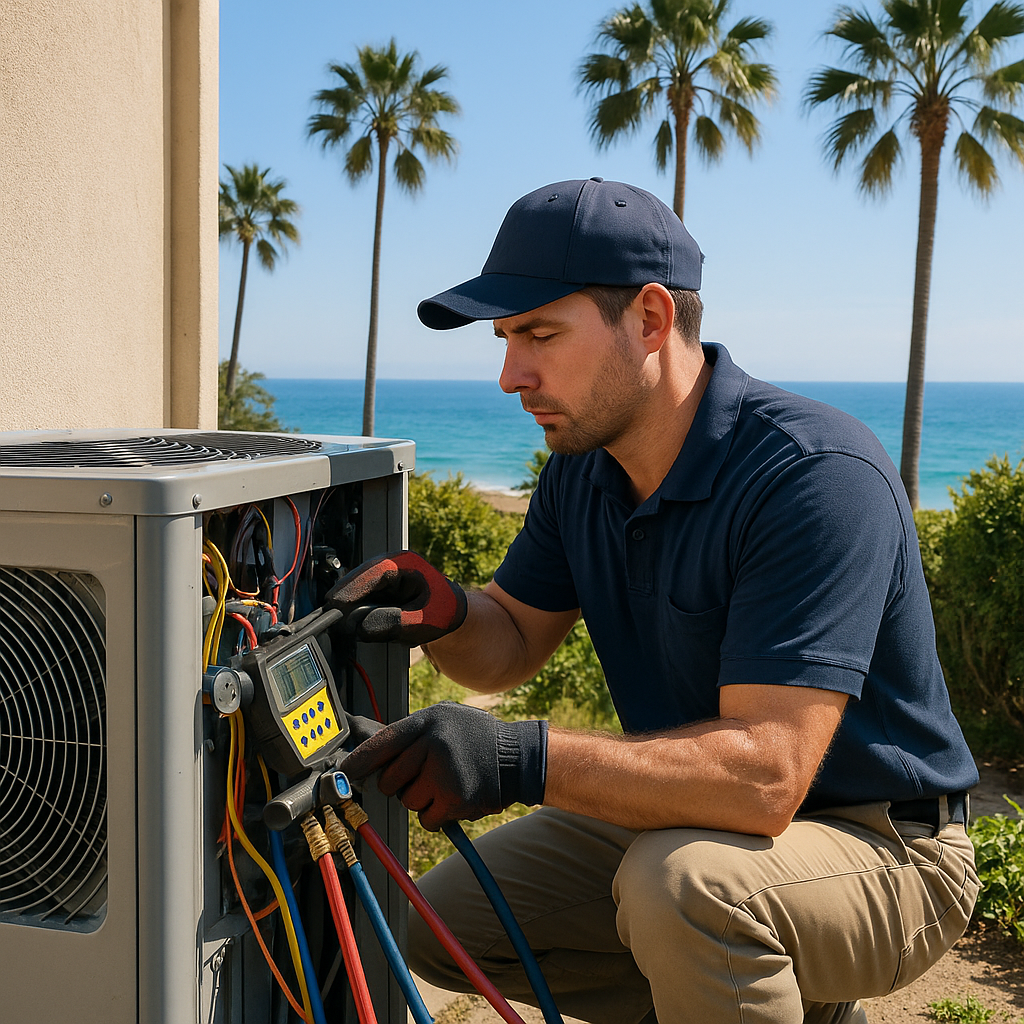
If you decide to repair your air conditioning system rather than replace it, routine maintenance will play a vital role in its longevity and performance. Here are some maintenance tips to consider:
- Regular Tune-Ups: Schedule professional tune-ups at least once a year, ideally before the cooling season begins.
- Change Filters: Replace filters on a routine basis to maintain airflow and efficiency.
- Clean the Condenser Coils: Keeping coils clean helps improve efficiency and prevents overheating.
- Inspect Ductwork: Ensure there are no leaks or blockages in your ductwork that could impact airflow.
- Keep the Area Clear: Ensure shrubs or furniture are not obstructing the outdoor unit for optimal performance.
Conclusion
Choosing whether to repair or replace your air conditioning unit is a significant decision that requires careful consideration of age, costs, and performance issues. By understanding the factors at play, troubleshooting your existing system, and staying informed on maintenance practices, you can make the best choice for your home’s comfort.
For those in California, Cooling & Heating Repair is here to help you navigate this decision with expert advice and professional services. Contact us today for a consultation, and ensure your home stays cool and comfortable all summer long!
FAQ
How do I know if my AC needs to be repaired or replaced?
Consider the age of your unit, repair costs, and energy efficiency. If repairs exceed 50% of a new system’s cost, replacement might be wise.
What are common signs that my AC is failing?
Look for frequent breakdowns, strange noises, inconsistent cooling, high energy bills, and if it’s over 10-15 years old.
Can regular maintenance extend my AC’s lifespan?
Yes! Regular maintenance can improve efficiency, prevent costly repairs, and extend your unit’s lifespan.
Need help with your AC? Contact Cooling & Heating Repair for professional air conditioning repair and maintenance.
Related Articles